
The concept of a circular economy, often abbreviated as CE, marks a significant shift in the way we produce and consume resources in our economic systems. Unlike the traditional linear economy of ‘take-make-dispose,’ the circular economy is based on the principles of sharing, leasing, recycling, and reusing existing materials and equipment for as long as possible. This sustainable approach aims to create a more efficient system where resources are utilized to their fullest potential, thereby reducing waste and minimizing environmental impact. The circular economy is particularly relevant in the context of tackling environmental and climate change issues, as it encourages a design-based implementation strategy. This means products living systems are designed from the outset with their end-of-life in mind, focusing on durability, reparability, and recyclability. By rethinking the way products are made and used, the circular economy presents an innovative solution to many of the environmental challenges faced by our planet.
Central to the circular economy are three fundamental principles: sustainable design, waste and pollution reduction, and the maintenance of goods and materials in use. Sustainable design involves creating products that are made to last, can be easily repaired or upgraded, and are made from materials that can be safely and efficiently recycled or composted. This approach helps to reduce waste and pollution by keeping products and materials in use for longer, and by ensuring that end-of-life products do not harm the environment. Furthermore, by keeping goods and materials in circulation, the circular economy minimizes the need for new resource extraction, thereby reducing the environmental footprint of production and consumption. These principles form the foundation of a circular economy action plan aimed at a sustainable future, representing a comprehensive shift in how we view and manage resources in our economy.
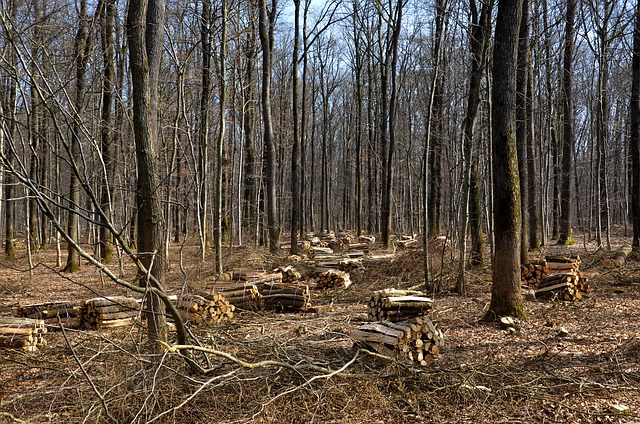
Shifting from a linear to circular economy
Shifting from a linear to a circular economy represents a fundamental change in how we view and manage resources, moving away from the traditional ‘take-make-dispose’ model to one that emphasizes sustainability and efficiency. In a circular economy, the focus is not just on recycling waste materials like paper, but on redesigning systems and processes to minimize waste and maximize the reuse and repurposing of resources at every stage – from the initial concept to final use. This approach aims to create closed-loop systems where materials are kept in use for as long as possible, extracting the maximum value before recovery and regeneration. Inspired by nature’s own cycles, a circular economy strives to ensure that products and materials are continuously cycled back into the economy, reducing the environmental impact and promoting sustainability. The Dutch government, among others, advocates for this model, recognizing its potential to reduce waste, drive greater resource productivity, and deliver a more sustainable and resilient economy. By adopting a circular economy, we can mitigate the environmental impact of production and consumption, fostering a healthier planet and a more sustainable future.
Why is circular economy important for our planet?
The importance of the circular economy transition for our planet lies in its potential to address the critical issue of resource overconsumption and environmental degradation. Current estimates suggest that humanity is using the Earth’s resources at a rate that far exceeds the planet’s capacity to regenerate them. This unsustainable exploitation is akin to living as if we had the resources of three planets, not just one. The expected surge in global material production, which could exceed 90.8 trillion tonnes by 2030, only exacerbates this issue. Such rampant resource usage leads to severe environmental consequences, including habitat destruction, biodiversity loss, and increased greenhouse gas emissions. The circular economy presents a solution by promoting the efficient and sustainable use of resources. It aims to reduce the extraction of new materials and minimize waste, ensuring that existing resources are utilized as effectively as possible. This shift is critical in curbing the current trajectory of environmental decline and moving towards a more sustainable future.
Moreover, the circular economy addresses specific challenges such as food waste and electronic waste, both of which have significant environmental impacts. Approximately 13 percent of food intended for consumption is lost during harvest, with an additional 17 percent wasted at the household, retail, and food services levels. This not only represents a tremendous waste of resources but also contributes to global greenhouse gas emissions too. In the case of electronic waste, which is estimated to be around 7.3 tonnes per year, the majority is not properly recycled or disposed of, leading to toxic pollution and the loss of valuable materials. The circular economy seeks to mitigate these issues by implementing strategies such as improved food storage and distribution systems to reduce food waste and designing electronics for easier recycling and longer life spans. By tackling such inefficiencies and promoting a more responsible and sustainable approach to resource use, the circular economy plays a vital role in preserving the health of our planet for current and future generations.
What is the main goal of a circular economy?
The main goal of a circular economy is to establish a sustainable economic system that minimizes waste, reduces the consumption of finite resources, and lessens environmental impacts. This model fundamentally rethinks the traditional linear ‘take-make-dispose’ approach, emphasizing the continual use of resources and the creation of closed-loop systems where materials are reused, recycled, or repurposed indefinitely. The circular economy aims to decouple economic growth from resource consumption and environmental degradation, striving for an equilibrium where economic activities do not exceed the carrying capacity of the Earth. It seeks to create a regenerative system that restores materials, conserves energy, and nurtures ecosystems, rather than depleting and polluting them. The circular economy started focus is not only on recycling materials at the end of a product’s life but on redesigning products and processes to prevent waste from being created in the first place. This involves innovative approaches to product design, manufacturing, and consumption, ensuring products are made to last and can be easily repaired, reused, or recycled.
Additionally, the circular economy aims to foster a more equitable and resilient economy. By promoting efficiency and innovation, the circular economy work it opens up new business opportunities and job prospects, contributing to economic development. The circular model also emphasizes social equity, ensuring that the benefits of a sustainable approach are shared widely across society. This includes creating inclusive supply chains, supporting local economies, and ensuring that products and services are accessible and beneficial to all parts of society. The circular economy is not just an environmental initiative; it’s a comprehensive approach that addresses economic, social, and environmental concerns simultaneously. It represents a systemic change, a new way of thinking about and interacting with our world, with the ultimate goal of creating a sustainable future for both the planet and its inhabitants.
According to the World Economic Forum, a circular economy is “an industrial system that is restorative or regenerative by intention and design.”
We should compare the circular economy to the current industry economy that has linear processes for analyzing material recovery and its development. Imagine a huge conveyor system with conveyors that produce, use and eventually discard the goods. Clearly the circle economy, the flow is going in one direction.
Circular Engineering Lifecycle Implementation Challenges and Opportunities
Implementing circular engineering product life extension cycles presents both significant challenges and opportunities for industries. One of the main challenges lies in the complexity of transitioning existing engineering systems to align with circular principles. This shift often requires substantial changes in design, manufacturing processes, supply chain management, and end-of-life product handling. Traditional engineering systems are typically linear, focusing on production efficiency and cost-effectiveness without considering the full life cycle of products, including their eventual disposal or reuse. Transitioning to a circular model necessitates a fundamental rethink of these systems. Engineers must design products not only for immediate use but also for ease of repair, remanufacturing, and recycling. This change can be daunting, especially for complex products and systems, and may involve significant research and development, new technologies, and investment in new infrastructure.
However, the opportunities presented by circular engineering life cycles are substantial and wide-reaching. By adopting these principles, companies can create more sustainable and efficient products, reducing waste and minimizing their environmental impact. This approach also opens up new business models and revenue streams, such as product-as-a-service or take-back schemes, where companies maintain ownership of products and materials, thus retaining their value over multiple life cycles. Additionally, circular engineering can lead to innovation in materials and processes, driving technological advancements and potentially reducing costs in the long term. For industries, embracing circular engineering life cycles is not just an environmental imperative but a business opportunity, aligning economic success with sustainability goals. In a world increasingly focused on environmental responsibility, companies that successfully implement these methodologies are likely to gain a competitive advantage, meet regulatory requirements more easily, and enhance their brand reputation among consumers who value sustainability.
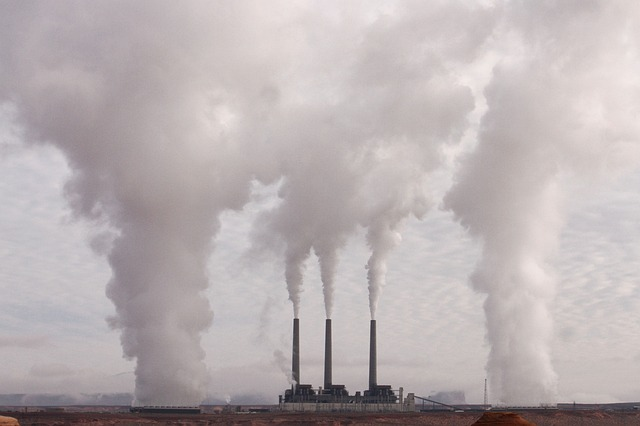
Designs out waste and pollution
In a circular economy, the fundamental principle is to ‘design out’ and eliminate waste and pollution from the very beginning, a stark contrast to the traditional linear model where waste is often an afterthought. This proactive approach means rethinking and redesigning products and processes to minimize negative impacts such as greenhouse gas emissions, pollution, and traffic congestion. It’s about creating systems where the end-of-life of a product is considered right from the start, ensuring that materials can be easily reused, recycled, or decomposed in an environmentally friendly way. This shift requires a deep integration of sustainability principles into every aspect of design and manufacturing. By prioritizing materials that are sustainable and processes that are energy-efficient, the circular economy aims to reduce the environmental footprint of economic activities. It’s not just about reducing waste but transforming waste into a valuable resource, thereby minimizing the harmful effects on human health and the natural world.
Furthermore, the circular economy concept extends beyond manufacturing to encompass all facets of economic activity, including how we manage resources and how consumers interact with products. Efforts to reduce greenhouse gas emissions, tackle pollution, and alleviate traffic congestion are all integral to this model. For instance, promoting the use of renewable energy sources helps reduce carbon dioxide emissions further, while innovative urban planning can address traffic congestion. The circular economy also encourages a shift in consumption patterns, advocating for sharing, leasing, or reusing products instead of owning and discarding them. This transformative approach not only conserves resources but also paves the way for a more sustainable and resilient economy, one that works harmoniously with nature and promotes the well-being of all. It’s a comprehensive strategy that requires collaboration across industries, governments, and individuals to create a healthier, more sustainable future.
Of the 300 million metric tons of plastic produced globally each year, only 12% is reused or recycled
The staggering statistic that only around 16% of the 300 million metric tons of plastic produced globally each year is recycled highlights a significant environmental challenge. The vast majority of plastics end up in landfills, are incinerated, or worse, find their way into our oceans, leading to severe ecological consequences and the loss of valuable materials. In response to global challenges around this issue, innovative solutions are being explored and implemented by companies like Eastman, which has joined the Global Partnership on Plastic Economy. This collaboration aims to transform the way we produce, use, and dispose of plastics, striving towards a future where plastics never become waste. One of the key strategies is developing new methods for recycling plastics, turning what was once considered waste into valuable resources for the production of new materials. Through chemical recycling technologies, companies can break down plastic waste to its molecular components, which can then be reused to create high-quality new plastics. This approach not only helps reduce the environmental impact of plastic waste but also represents a significant step towards a more circular plastic economy, where the lifecycle of plastics is extended, and their value is retained.
Environmental and system-wide benefits
The shift towards a circular economy has profound implications for the environment, offering a comprehensive strategy to mitigate the effects of climate change and preserve natural resources. At its core, circularity disrupts the traditional ‘take-make-dispose’ business model, significantly reducing the strain on the Earth’s resources. By prioritizing the reuse, refurbishment, and recycling of materials, the circular economy drastically cuts down on the need for extracting new raw materials, thereby lessening the environmental degradation and biodiversity loss associated with mining and deforestation. This approach also leads to a substantial reduction in waste generation, as products are designed to have longer lifespans and to be easily recyclable at the end of their use. Moreover, the circular economy’s emphasis on eco-design means products are created with minimal environmental impact in mind, including reduced greenhouse gas emissions. This is particularly impactful in industries like manufacturing and construction, where circular practices can significantly lower carbon footprints. By integrating renewable energy sources into this model, the circular economy further contributes to a reduction in carbon emissions, aligning economic activities with the goals of the Paris Agreement and broader climate change mitigation efforts.
System-wide, the benefits of a circular economy extend to improving human systems and overall ecosystem health. For example, by reducing the reliance on single-use plastics and promoting recycling, the circular economy helps alleviate the issue of plastic pollution in oceans, which is a major threat to marine biodiversity. Additionally, the circular model encourages a more efficient use of water and energy, supporting the conservation of these critical resources. The systemic shift towards more circular economy also fosters innovation in sectors like agriculture, where circular practices like composting and sustainable water management can enhance soil health and reduce the use of harmful chemicals. The ripple effects of these environmental benefits are far-reaching, contributing to cleaner air and water, healthier wildlife habitats, and a more stable climate. Ultimately, the transition to a circular economy is not just an economic imperative but an environmental one, offering a path towards a more sustainable and resilient world where human activity exists in harmony with the planet’s natural systems.
Create jobs and save consumers money
The transition to a circular economy holds significant potential for job creation and cost savings for consumers, particularly in Europe. By 2030, the shift towards circular practices is expected to enhance competitiveness and economic resilience, potentially creating a substantial number of new jobs. As of now, the circular economy works the European Union has already seen the creation of approximately 700,000 jobs attributed to circular economy initiatives. These jobs span a variety of sectors, from recycling and refurbishment to the design and manufacturing of products optimized for circular use. The circular economy encourages innovation across different industries, as companies are incentivized to redesign materials and products for longevity, reusability, and recyclability. This innovation drives the development of new business models and industries, creating employment opportunities in fields like sustainable product design plastic packaging, circular supply chain management, and waste-to-resource technologies.
An example of this can be seen in the electronics industry, where companies are increasingly adopting circular practices like designing products for easier repair and recycling, and offering services for product take-back and refurbishment. This not only extends the lifecycle of electronic devices but also reduces the demand for raw materials and the associated environmental impact. For consumers, this shift to circular initiatives means access to more durable and sustainable products, ultimately leading to cost savings over the long term. Products designed with circular principles are often of higher quality and longer-lasting, reducing the frequency of replacements and repairs. Additionally, the adoption of circular models like product leasing or sharing can provide consumers with access to the latest technologies at a lower cost than outright ownership. Overall, the circular economy presents a win-win scenario, where job creation and economic growth go hand-in-hand with environmental sustainability and consumer benefits, paving the way for a more resilient and prosperous future.
What are the barriers to circular economy?
The acceleration of circular economy development faces several significant barriers, as identified by research from Utrecht University and Deloitte. These obstacles fall into four primary categories: regulatory challenges, systemic changes, societal shifts, and collaboration complexities. First, the existing regulatory framework often lacks the innovation and flexibility needed to support circular practices, requiring a paradigm shift in policies and legislation. This includes the need for incentives, standards, and regulations that encourage circular business models and penalize linear, wasteful practices. Second, transitioning to a circular economy represents a radical systemic change, demanding a departure from entrenched linear economic models and the establishment of new value chains and infrastructures. Third, societal change is essential, as the circular economy challenges deeply rooted consumption patterns and requires a shift in mindset from both consumers and producers. This involves fostering a culture of sustainability, where reuse, repair, and recycling are normalized. Lastly, effective collaboration among various stakeholders in truly circular economy – including governments, businesses, and consumers – is crucial but challenging. This requires coordinated efforts and shared goals across sectors and borders, overcoming silos and competitive barriers to work towards a common objective of sustainable development. These challenges highlight that while the circular economy presents a promising path towards sustainability, its successful implementation requires concerted and systemic efforts across multiple dimensions.
What are examples of circular economy?
The circular economy is exemplified in various innovative practices and business models that prioritize sustainability and resource efficiency. One classic example is the refurbishment and resale of electronic devices, where used electronics are collected, repaired, and sold again, extending their lifespan and reducing e-waste. Another instance is the fashion industry’s adoption of circular practices, such as clothing rental services and the production of garments from recycled materials, which significantly reduce waste and resource consumption. In the realm of construction, the use of modular and prefabricated components that can be easily disassembled and reused in new buildings exemplifies other circular economy strategies and principles. Additionally, the concept of industrial symbiosis, where waste or by-products of one industry serve as raw materials for another, is a core element of the circular economy, seen in eco-industrial parks. In agriculture, the circular approach is illustrated through regenerative practices like using organic waste to create nutrient-rich compost for soil replenishment. These examples demonstrate how the circular economy’s innovative approaches are being applied across various sectors to create more sustainable and efficient systems.
Reduced volatility and greater security of supply chains
Adopting a circular economy approach significantly contributes to reduced volatility and enhances the security of supply chains by lessening reliance on virgin materials and increasing the use of recycled inputs. In a circular system, materials are kept in use for as long as possible, reducing the demand for new, raw materials and thus diminishing the associated economic and environmental costs. This shift towards recycled materials not only conserves natural resources but also stabilizes prices, as recycled inputs are often less susceptible to market fluctuations than raw materials. Additionally, a circular economy inherently promotes decentralization in supply chains, providing greater flexibility and resilience. In scenarios where natural disasters or geopolitical conflicts disrupt traditional supply routes, decentralized systems are better equipped to adapt, leveraging alternative resources and local production capabilities. This approach mitigates the risk of supply and value chain disruptions, ensuring a more consistent and secure flow of materials and goods. Overall, the circular economy model offers a more sustainable, efficient, and resilient alternative to the conventional linear economy, addressing both environmental concerns and supply chain challenges.
Digital circular economy aims
The integration of digital technologies into the circular economy is increasingly recognized as a critical factor in enhancing the efficiency and productivity of circular business models. This synergy, often referred to as the digital circular economy, leverages the power of digitization and advanced technologies to streamline processes, optimize resource use, and facilitate the transition to a circular business model and practices. As part of the European Green Deal’s Circular Economy Action Plans, the pivotal role of digital technology in accelerating the shift towards a circular economy is prominently highlighted. Digital tools such as big data analytics, the Internet of Things (IoT), and blockchain are instrumental in enabling more informed decision-making, enhancing transparency, and improving the traceability of products and materials throughout their life cycles. These technologies help businesses and policymakers to better understand material flows, predict product lifespans, and identify opportunities for reuse, repair, and recycling, thereby driving a more efficient and sustainable use of resources.
The concept of the Smart Circular Economy framework further emphasizes the necessity further value of integrating digital technologies with sustainable resource planning. This framework posits that digital tools are not just facilitators but are fundamental to the creation of a truly sustainable, circular economy. For example, through the use of IoT sensors and AI-driven analytics, companies can monitor and optimize their resource usage in real time, significantly reducing waste and improving sustainability. Similarly, blockchain technology can be employed to create transparent and secure supply chains, ensuring that materials and products are sourced sustainably and ethically. This intersection of digital innovation and circular economy principles not only fosters environmental sustainability but also opens up new avenues for economic growth and innovation. By harnessing the capabilities of digital technologies, the Smart Circular Economy framework offers a comprehensive and dynamic approach to achieving sustainable development goals, highlighting the immense potential of digital transformation in driving a more efficient, resilient, and sustainable future.
Are there working models already? Which countries are leading on circular economy?
Indeed, numerous countries and territories around the globe are already actively implementing circular economy models, showcasing tangible progress in steering development and growth towards more sustainable, cleaner, and renewable practices. These circular development efforts vary widely in scope and scale, reflecting each region’s unique challenges and opportunities. For example, Kosovo has taken an innovative approach by supporting the development of a mobile application designed to identify and monitor pollution in urban areas. This technological solution enables both authorities and citizens to better understand and address environmental issues in their communities, fostering a more participatory and informed approach to urban environmental management. By leveraging technology, Kosovo is enhancing its ability to tackle pollution effectively, a crucial step in transitioning towards a more sustainable and circular economy.
On the other hand, Ghana is focusing its efforts on improving urban pollution and energy management by recycling existing materials and encouraging the construction of houses using recycled plastic materials. This initiative not only addresses the issue of waste management but also promotes sustainable construction practices. By repurposing plastic waste, which is a significant environmental challenge in many urban areas, into building materials, Ghana is reducing the environmental impact of both waste and construction. This innovative approach not only contributes to cleaner cities but also opens up new economic opportunities and promotes the development of local industries. Initiatives like these in Ghana and Kosovo are exemplary models of how circular economy principles can be applied in diverse ways, tailored to the specific needs and resources of different countries. These working models demonstrate the feasibility and benefits of adopting circular economy approaches, inspiring other nations to follow suit in their quest for sustainable development.
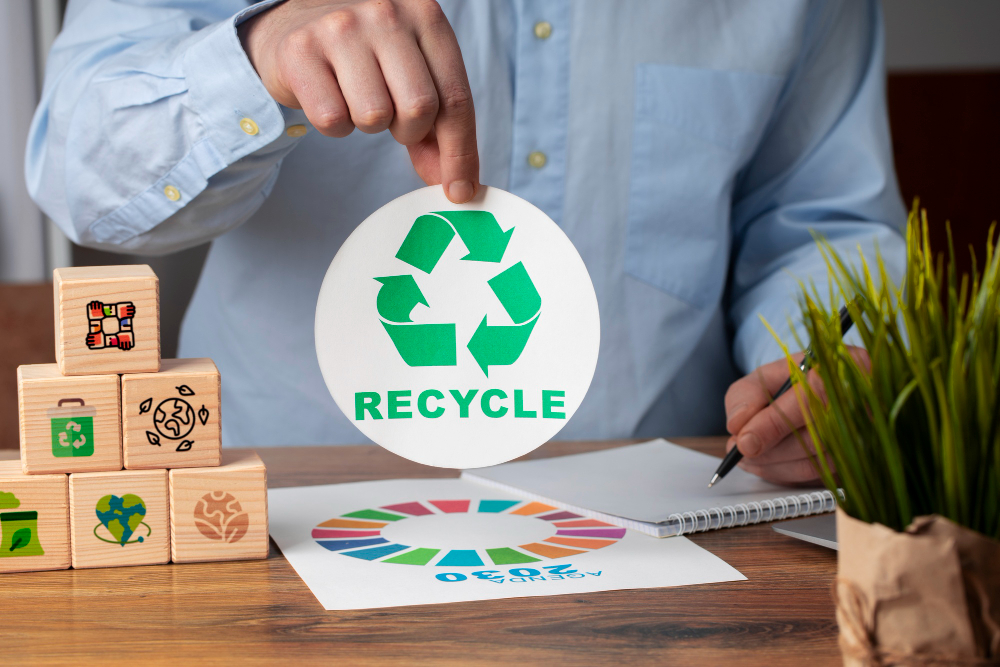
What does regeneration mean in a circular economy?
As shown in the system diagram of circular economies, regeneration means the product or service of this circular economy contribute to the system which renews or replenishes throughout its cycle life. In using regeneration principle the circular economy separates development growth stability from consuming resources in a limited manner. It instead has circular solutions which seeks to regenerate nature maximize the value of products, especially those which are usually found in our waters and landfills.
Cradle to Cradle’s three principles
The Cradle to Cradle design philosophy, deeply inspired by natural systems, is anchored in the idea that in nature, waste does not exist; instead, everything is a resource for something else. This philosophy is encapsulated in its first principle, which emphasizes the utilization of materials as either ‘biological nutrients’ or ‘technical nutrients’. Biological nutrients are materials that can safely and effectively be returned to the environment, decomposing and providing nourishment to the ecological system. This cycle mimics the natural process where organic matter breaks down and enriches the soil. On the other hand, technical nutrients are non-biodegradable materials that should be designed for reuse, maintaining their integrity and value through multiple product life cycles. This approach encourages the design of products in such a way that their components can be perpetually cycled, thus eliminating the concept of waste and promoting a closed-loop system where every end is a new beginning.
The second principle of Cradle to Cradle design revolves around the use of clean and renewable energy. This principle advocates for powering human activities with energy sources that are renewable and environmentally friendly, ideally within an economically viable timescale. The inspiration for this principle comes from natural systems that rely predominantly on solar energy, a clean and endlessly renewable resource. The idea is to reduce reliance on fossil fuels and other finite energy sources, thereby minimizing the carbon footprint and environmental impact of energy use. This principle extends beyond just the sourcing of energy; it also encompasses energy efficiency and conservation in product design and manufacturing processes. By embracing this principle, the Cradle to Cradle approach seeks not only to minimize harm but to positively contribute to the health of the planet, ensuring that human activities are in harmony with nature’s cycles and processes. These principles collectively form the foundation of a sustainable and resilient approach to design and to production processes, one that respects and learns from the wisdom of natural ecosystems.
Rare-earth elements recovery
The recovery of rare-earth elements (REEs) through recycling processes is a critical aspect of sustainable resource management, especially given the increasing demand for these materials in various high-tech applications. Rare-earth elements, which include lanthanides like neodymium and dysprosium, are essential in the manufacturing of products like smartphones, electric vehicles, and wind turbines. Traditional mining and extraction of REEs are often environmentally damaging and geopolitically sensitive, making recycling an attractive alternative. The recycling process typically involves recovering REEs from electronic waste, magnets, and other products at the end of their life cycle. This process can be complex due to the intricate and varying composition of the various materials involved. Advanced techniques such as hydrometallurgical processes, which involve the use of aqueous chemistry for the recovery of metals, and pyrometallurgical processes, which use high temperatures to extract and refine metals, are being developed and refined. Including detailed information about these recycling methods in discussions about REEs is crucial for a comprehensive understanding of the current state and future potential of REE recycling. This information not only provides insights into the technical and economic feasibility of these processes but also highlights the importance of developing efficient and environmentally friendly methods for REE recovery, a key component in transitioning towards a more sustainable and circular economy.
The European Circular Bioeconomy Fund
The European Circular Bioeconomy Fund (ECBF) represents a significant step forward in the European Union’s commitment to fostering a sustainable, circular bioeconomy. Initiated by the directorates for agricultural innovation and agriculture of EU-owned investment banks, this fund serves as a key financial instrument in the broader framework of promoting environmentally responsible economic growth. The ECBF is designed to provide both mezzanine and equity debt funds to innovative companies operating within the circular bioeconomy sector. In 2023, a noteworthy investment of 65 million euros was announced, underlining the EU’s dedication to this initiative. This fund is particularly focused on supporting companies that are at the forefront of developing innovative solutions in the circular bioeconomy realm. The selected investment consultant plays a pivotal role in identifying and nurturing these companies, ensuring that the fund’s resources are effectively channeled towards ventures with the potential to significantly advance the circular bioeconomy.
The scope of the ECBF’s investments is diverse and expansive, targeting companies that are actively seeking financing to scale up their operations and increase their impact. These investments span various sectors within the circular bioeconomy, including sustainable agriculture, renewable energy, bio-based materials, and waste-to-value innovations. By providing crucial financial support, the ECBF enables these companies to further develop and commercialize their innovations, thereby contributing to the transition towards a more sustainable economic model. This approach not only bolsters environmental sustainability but also drives economic growth and job creation, aligning with the EU’s broader objectives of ecological conservation and economic prosperity. The ECBF stands as a testament to the EU’s proactive approach in embracing and nurturing the circular bioeconomy, recognizing it as a key driver for a sustainable future.
Industrial ecology
Industrial ecology, deeply intertwined with the principles of the circular economy, is an innovative field that examines and optimizes the flow of materials and energy through industrial systems. This approach treats industrial processes as part of a larger ecosystem, where the waste of one process can serve as the raw material for another, much like in natural ecosystems where waste is virtually nonexistent. By focusing on creating closed-loop processes, industrial ecology aims to transform traditional linear models of the production process (take, make, waste) into more sustainable, circular models. This means designing products and processes in a way that minimizes waste, maximizes resource efficiency, and reduces environmental impact. The goal is to achieve a harmonious integration of human industrial activity with natural processes, where every output is reintegrated into the system as an input, either as a resource for other industries or as a benign addition to the natural environment.
In practice, industrial ecology involves strategies like recycling, remanufacturing, and designing for disassembly, where products are made with the end of their life cycle in mind. It also promotes the use of renewable energy and materials, and encourages industries to collaborate, forming symbiotic relationships where the waste of one becomes the resource for another. This approach is crucial in the context of the circular economy, as it helps reduce the depletion of finite resources, minimizes pollution and greenhouse gas emissions, and fosters a more sustainable and resilient economic system. By adopting the principles of the industrial economy and ecology, businesses can not only reduce their environmental footprint but also discover new opportunities for innovation and cost savings. This holistic approach represents a significant shift in how we think about production and consumption, driving a transition towards a more sustainable future.
Blue economy
The concept of the Blue Economy stems from a deep understanding and appreciation of the natural biological processes of production, particularly those found in aquatic and marine ecosystems. This innovative economic model focuses on harnessing the vast potential of the world’s oceans, seas, and waterways in a sustainable manner. The Blue Economy goes beyond traditional maritime sectors by emphasizing conservation and sustainable management of water resources, while exploring new avenues for economic growth. It encompasses a wide range of activities including sustainable fisheries, aquaculture, coastal and marine tourism, energy generation from the sea, and the extraction of minerals and biological resources from aquatic environments. The manifesto for the Blue Economy is rooted in the principle of learning from nature – mimicking biological processes to create more efficient, waste-free, and sustainable economic systems. This approach promotes not only the protection and regenerating natural systems and restoration of aquatic ecosystems but also the development of blue technologies that are inspired by nature’s ingenuity.
In practical terms, the Blue Economy encourages innovation in areas like biomimicry, where scientists and engineers develop technologies biological materials and processes that emulate the efficient ways in which nature operates. For example, studying the way algae produce energy could lead to more efficient methods of biofuel production. Another aspect of performance economy is the sustainable management of fisheries, ensuring that fish stocks are harvested at a rate that allows for their natural replenishment. This sustainable approach extends to aquaculture, where the focus is on developing environmentally friendly and economically viable methods of fish farming. Coastal and marine tourism, under the Blue Economy, is also reimagined to be more eco-friendly, focusing on preserving the natural beauty and biodiversity of marine environments while providing economic opportunities for local communities.
Furthermore, the key elements of the Blue Economy concept also includes the sustainable extraction of non-renewable ocean resources like minerals and seabed materials, balancing economic needs with the imperative to protect marine ecosystems. It advocates for renewable energy development, such as harnessing wind, wave, and tidal energy, which presents a significant opportunity for clean energy generation. The overarching goal of the Blue Economy is to create an integrated approach to oceanic and coastal economic activity that not only drives growth but does so in a way that preserves the health of aquatic ecosystems for future generations. It represents a paradigm shift in how we view and utilize the ocean’s resources – from exploitation to sustainable stewardship, ensuring that the oceans continue to provide essential resources and services for humanity in a sustainable and equitable manner.
