Our approach
Our method for driving the transition to a circular economy has helped thousands of organizations move from intention to circular business models, drawing inspiration from the principles of living systems.
The context
Linear business models are showing their limits. Organizations want to transform, but without a structured method, projects tend to stay at the intention stage.
CSR approaches often remain superficial and disconnected from core business.
Risks linked to resource scarcity and regulation are poorly anticipated.
Cooperation between stakeholders remains insufficient to create systemic value.
Teams lack concrete tools to design alternative business models.
THE 4 STEPS
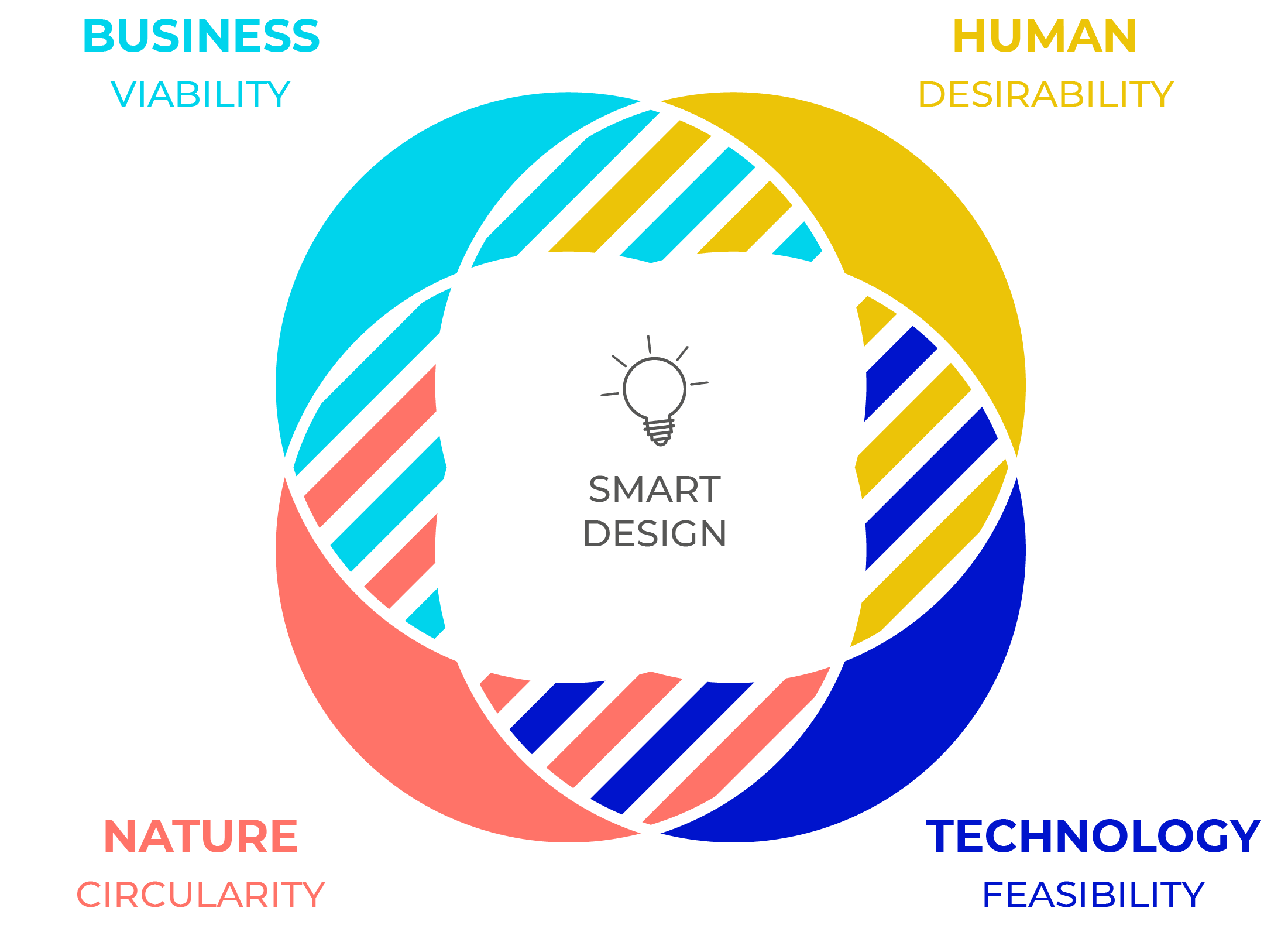
Circulab's Circular Design method combines four levels of understanding and action, from the most global to the most operational. Each dimension builds on the next.
This approach lets you consider an element as a whole, from its material flows to its stakeholders, for a bigger, more thoughtful impact on your organization's transformation.
Systems thinking is the foundation of everything. It teaches us to see interdependencies, feedback loops, and leverage points, which is essential to avoid optimizing one part at the expense of the whole.
The Value Chain Canvas maps out all the flows of a product or service. It reveals vulnerabilities, dependencies, and opportunities that a linear approach tends to hide.
Tool: Value Chain Canvas ›No organization can drive its transition alone. The Partner Map structures the mapping of stakeholders: each actor plays a role, and their cooperation creates more value than the sum of their parts.
Tool: Partner Map ›The Circular Canvas rethinks value propositions, resource flows, and revenue models through the lens of circularity, for leaner, more resilient organizations that create lasting value.
Tool: Circular Canvas ›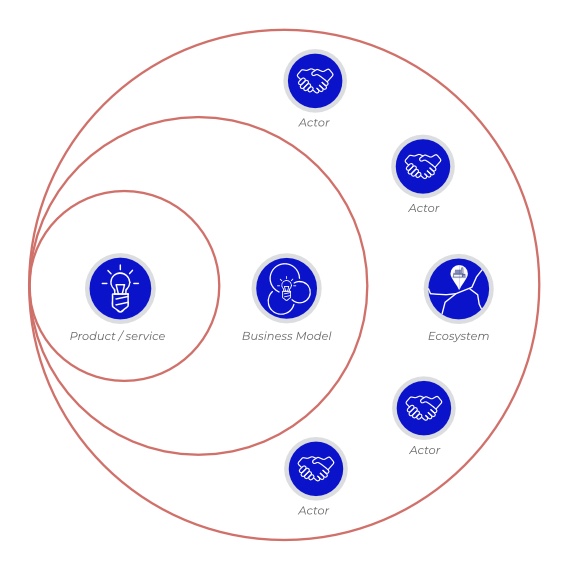
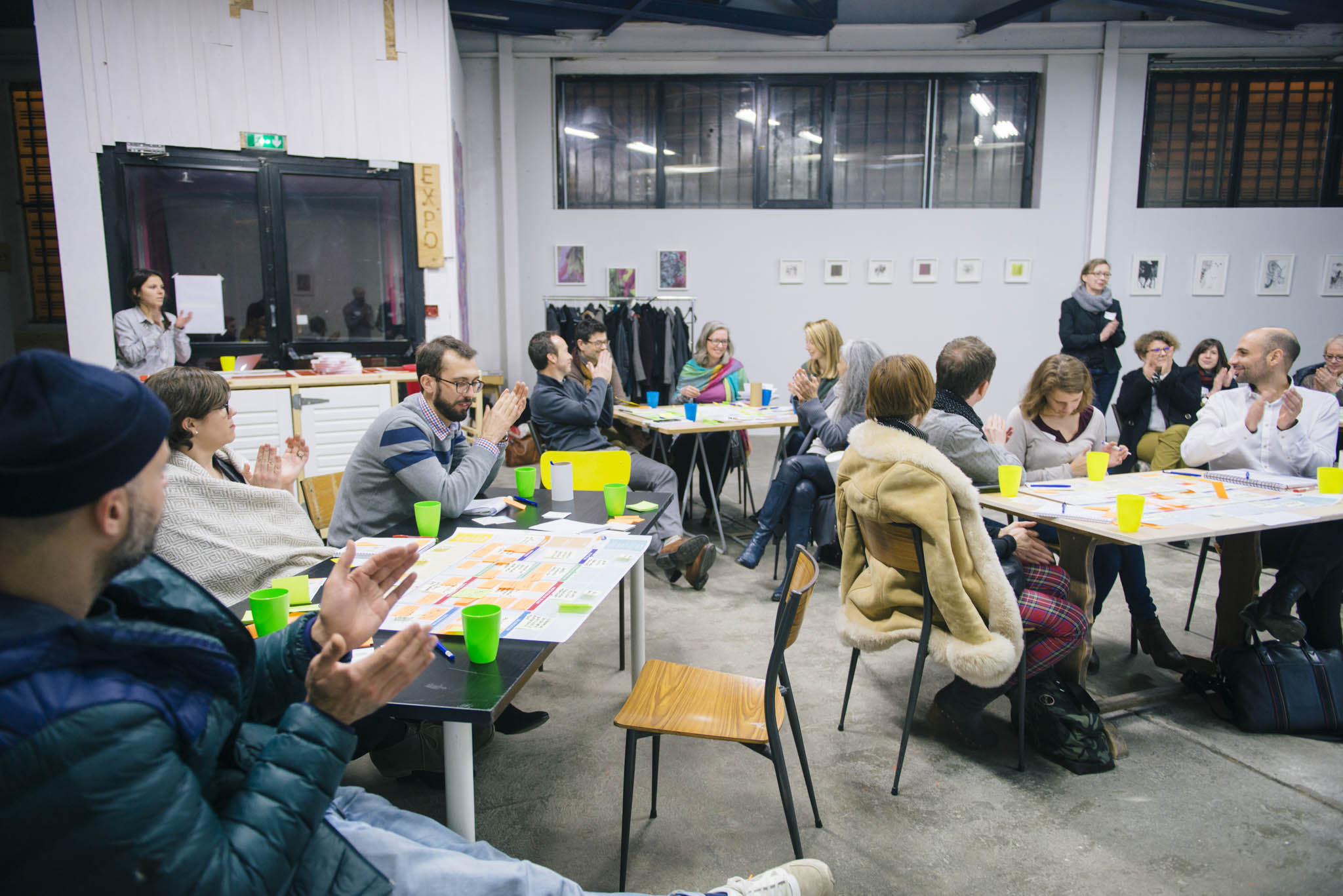
Thinking in systems means seeing the whole picture, spotting the levers that truly drive change, and creating an impact that lasts.
The tools of the method
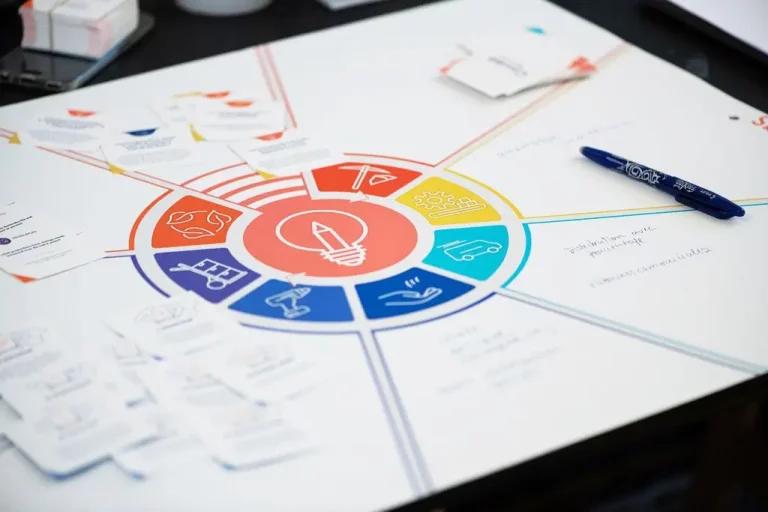
Analyze all the flows in your value chain and identify your vulnerabilities.
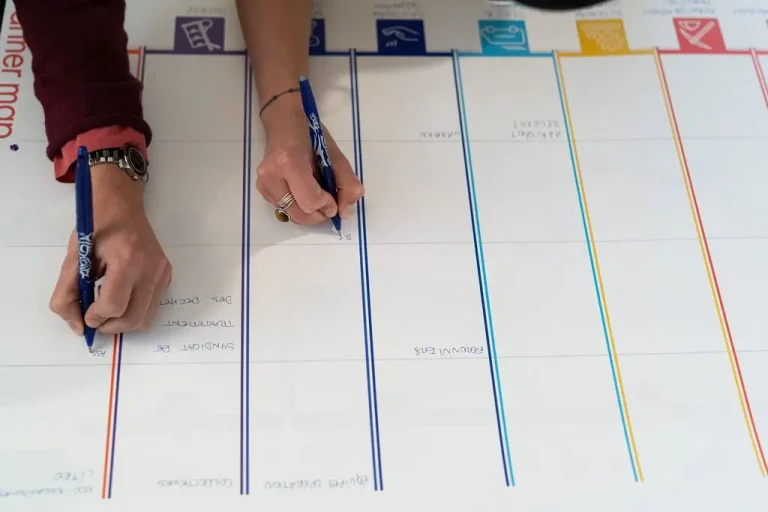
Map your stakeholder ecosystem and facilitate cooperation.
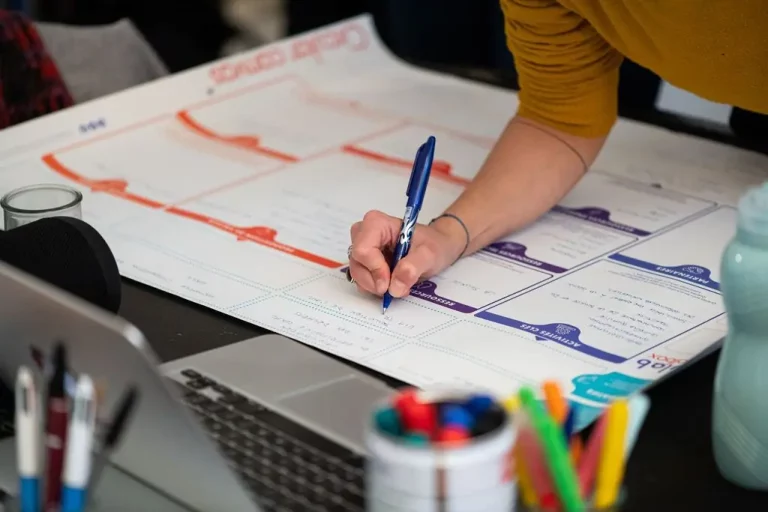
Design a circular business model that integrates reuse and resource circularity.
The method in numbers
professionals trained in circular design
tool downloads across 40+ countries
languages for the canvas tools
the year the Circulab method was created
Who it's for
Enrich your practice with a recognized method and operational tools for your client engagements.
SME or large group: train your teams and apply the method to real projects with support from Circulab experts.
Gain a recognized sustainable design method during your studies, a real differentiator in the job market.
Integrate the tools and method into your courses and workshops to prepare your students for tomorrow's challenges.
Build your skills
Get trained now, or download the tools to get started right away.