Circulab Toolbox
Analyze your material, energy, and human capital flows to identify the risks and circular opportunities in your value chain.
The tool
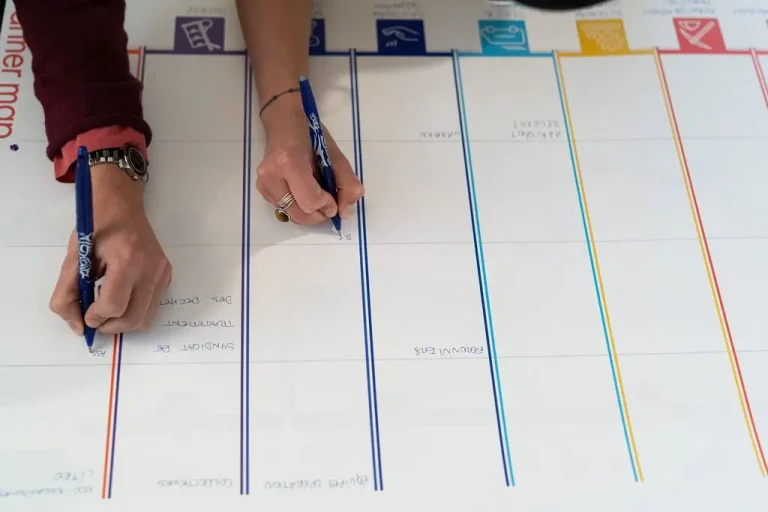
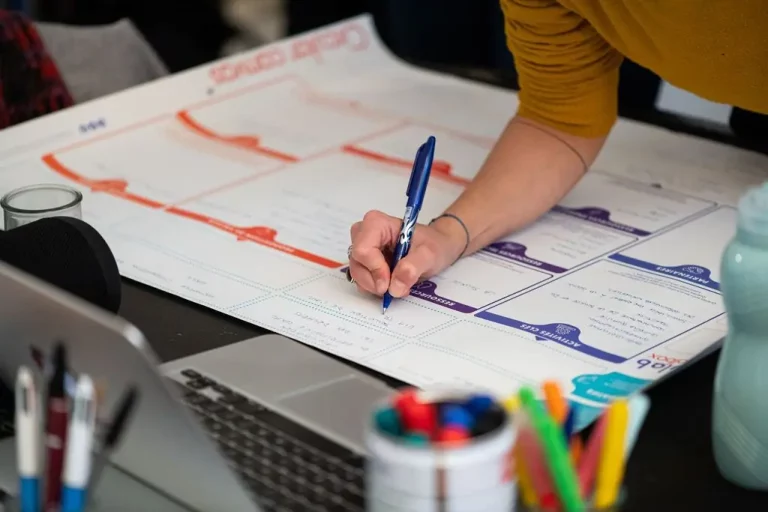
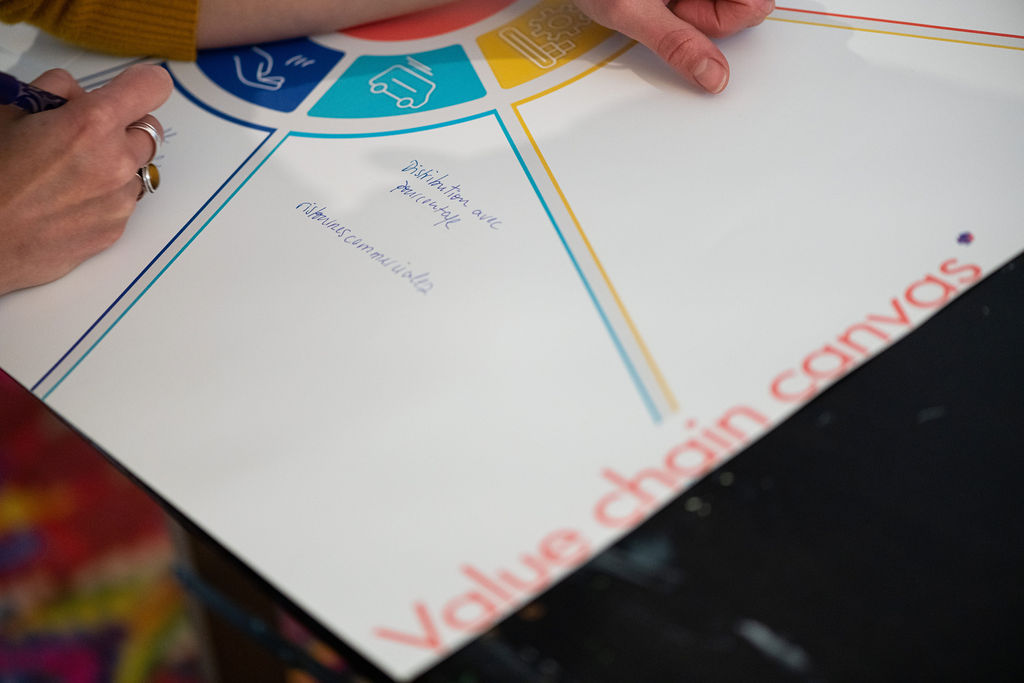
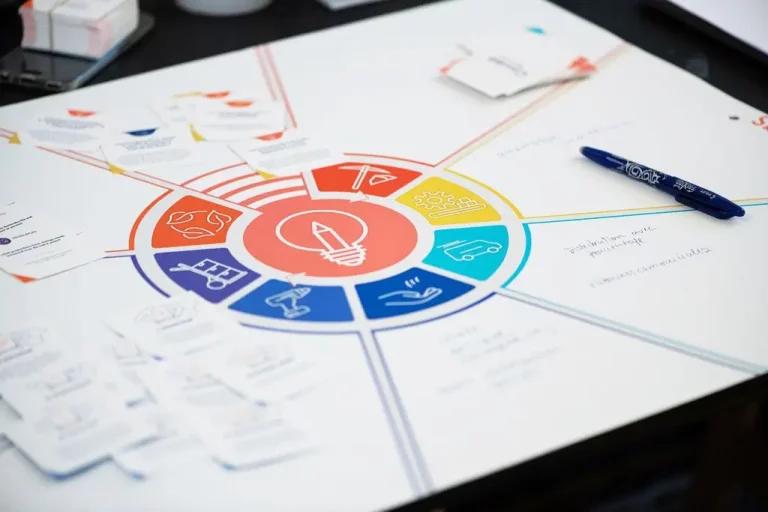
The Value Chain Canvas lets you map all the flows of a product or service (materials, energy, water, human capital, data) to reveal structural vulnerabilities and circular opportunities that a linear analysis misses.
Identify all the resources entering your system: raw materials, energy, water, human capital, data.
List the products, by-products, waste, emissions, and losses generated at each stage of your chain.
Spot critical dependencies on scarce, costly, or regulatory-at-risk resources.
Identify opportunities to close flow loops, valorize by-products, and reduce losses.
Use cases
Assess the current level of circularity of your organization or a specific product.
Anticipate risks linked to resource scarcity, regulation, or material costs.
Lay the groundwork for a sustainability strategy grounded in the real flows of your business.
Identify opportunities to rethink your product design and reduce impacts.
Create a shared language across teams to facilitate collaboration on circularity challenges.
Raise your teams' awareness of your business's systemic challenges in a visual, engaging way.
Free download
Create a free account to download this tool in high definition, in every language.
A universal tool
The complete method
Circulab's tools are designed to work together. Each one prepares the next in the circular design method.