Integrating the circular economy into your business model
The circular economy is an economic concept that aims to reduce the use of natural resources and minimize waste production by encouraging the reuse, repair and recovery of materials.
This approach is increasingly highlighted in the current context of environmental crisis and resource scarcity. Companies have a crucial role to play in the transition to a circular and resilient economy and can gain many benefits from this approach. This article explains how to integrate the circular economy into your business and how it can benefit your activity.
The role of awareness and training
The first step in integrating the circular economy into your business is to raise awareness and train your teams in this approach.
It is essential that all members of your team understand the environmental and economic issues related to the circular economy and that they are involved in implementing more sustainable practices.
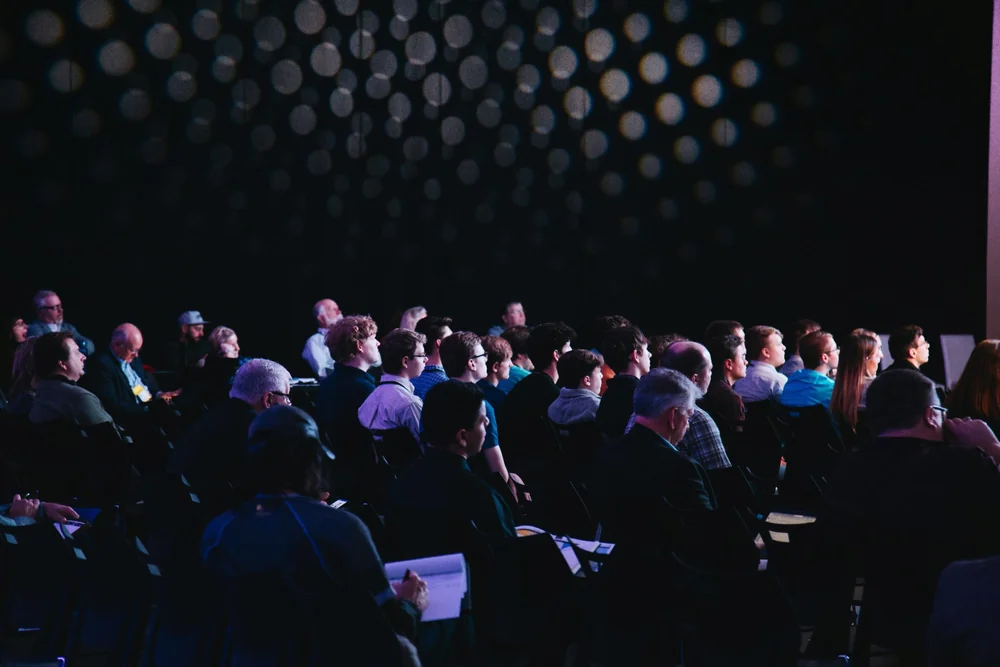
To do this, you can organize training on business resilience and the circular economy, or call on experts to raise your employees' awareness.

The impact of innovation and circular design
The circular economy requires an innovative approach and a questioning of traditional models of production and consumption.
It is therefore important for your company to commit to a sustainable design approach, integrating circular economy principles into the design of your products from the outset. You can also encourage innovation internally by organizing brainstorming sessions on how to make your products more sustainable, and by encouraging your employees to put forward innovative ideas.
Adopting a circular business model
To fully integrate the circular economy into your business, it is important to rethink your business model.
The traditional linear model of production and consumption, where resources are extracted, turned into products and then thrown away after use, must be replaced by a circular model, where resources are reused and recovered.
To make this change, you can use the Circular Canvas, a tool that will help you rethink your business model by taking into account the issues and challenges of our century as well as the risks and impacts of your current model.
The benefits of this change of business model
Integrating the circular economy into your business can also bring many economic benefits.
First of all, by reducing your production and waste management costs, you will be able to improve your profitability and your competitiveness on the market. In addition, by adopting a more responsible and sustainable approach, you will be able to attract new customers and retain those who are sensitive to environmental issues.
Finally, by contributing to the preservation of natural resources, you will be able to strengthen your brand image and your social responsibility.
In short
Rethinking your model with the Circular Canvas, available free of charge, makes it possible to analyze the impact of your business model while considering sustainable and responsible alternatives.