Definition, mechanisms, examples
Since the Industrial Revolution, our economic model has largely relied on a linear logic: extract, produce, consume, discard. In response, the circular economy proposes a change of course: producing and consuming more sparingly, extending product lifespans, and making the most of what already exists.
The circular economy is defined as a model that aims to preserve the value of resources by rethinking how we produce, consume, and manage waste. Unlike the linear model, it proposes closing the loop on flows and extending product lifespans.
The circular economy therefore calls for transforming our economic models: repairing rather than replacing, thinking in loops rather than lines, and designing sparing solutions suited to the realities of the 21st century.
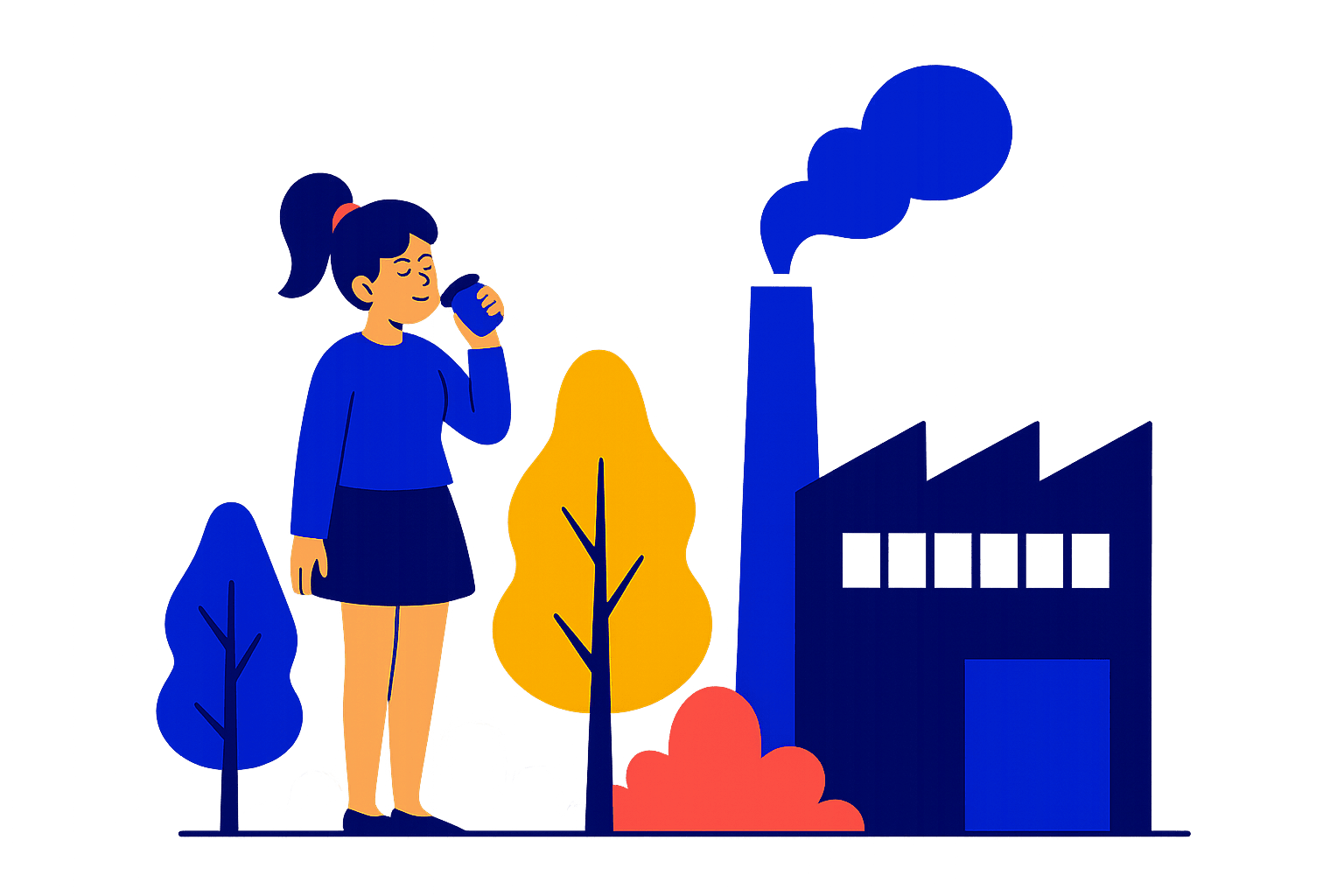
Taking action on the circular economy isn't just about a few technical adjustments or more rigorous waste sorting. It's a systemic transformation that touches business models, production processes, usage patterns, stakeholder relationships, and resource management.
To lead such a transformation in a coherent and effective way, training plays a key role. It notably helps you to:
Circulab Academy enables all stakeholders (businesses, local authorities, freelancers) to get trained on these issues, through formats suited to different contexts and needs.
More and more organizations are embracing circular economy approaches. Why? Because they find tangible economic, environmental, and social opportunities:
By optimizing resource use and reducing waste.
Through repair, reuse, and circular services.
Anticipate legal and regulatory changes.
Many companies have already taken the leap, notably by relying on the Circulab method and tools to rethink their business models.
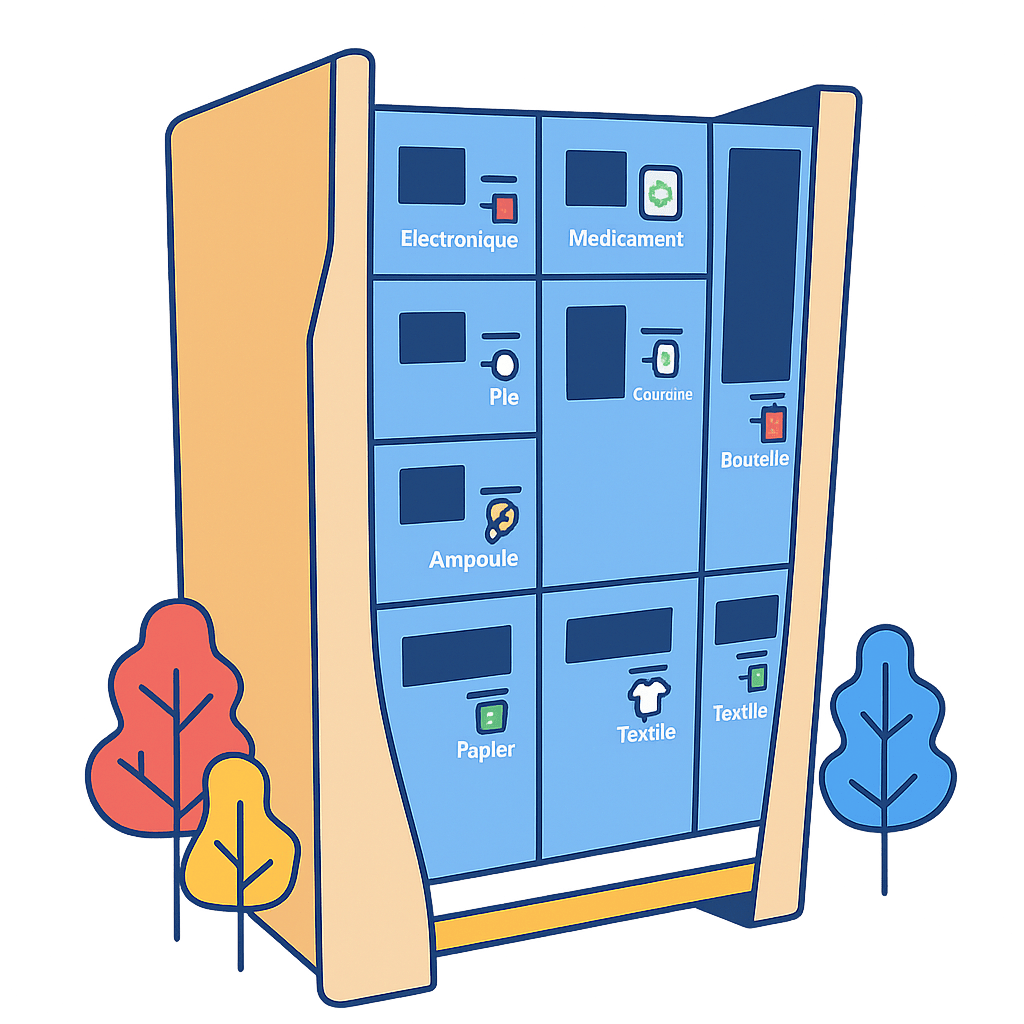
As part of an effort to evolve its service offering, Nouvelle Attitude enlisted Circulab to design a prototype device to facilitate waste collection in businesses. This work aimed to expand the existing offering while identifying value-creation levers through a systemic approach.
The City of Paris called on Circulab to develop a strategic brief for elected officials and design a support program for shopkeepers and professionals, to help them transition to alternatives to single-use plastic.
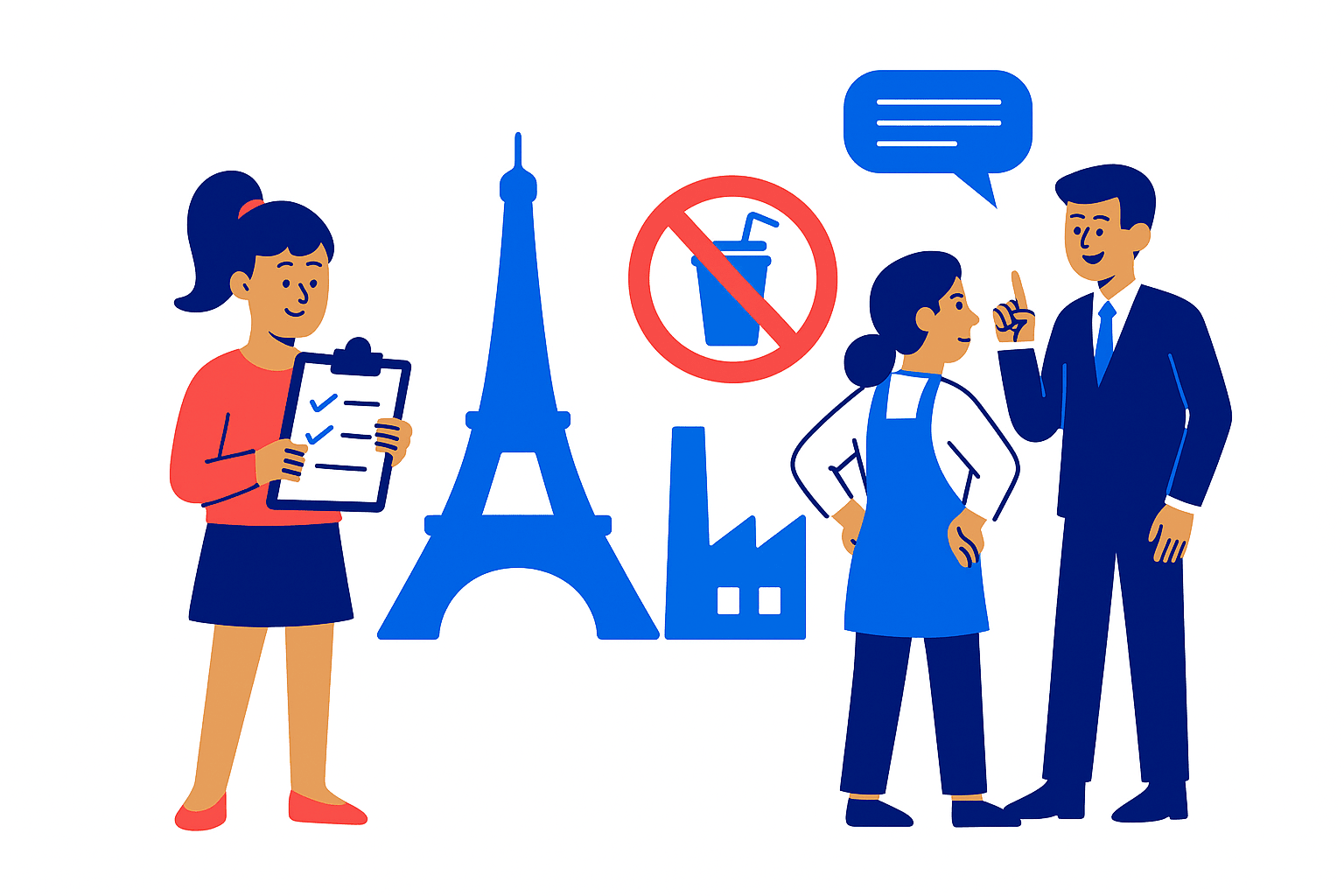
The circular economy is gaining ground partly thanks to a structuring regulatory framework driven by the European Union and reflected in national policies. Since 2015, with the adoption of the Circular Economy Package, followed by the introduction of the European Green Deal, the circular transition has become a top strategic priority across the continent. This momentum has accelerated with:
Public schemes exist to support businesses in their transition:
The main difference between the circular economy and sustainable development is that this model focuses specifically on transforming economic models and production/consumption patterns.
Sustainable development, on the other hand, covers a broader vision, also incorporating social dimensions (health, education, equity) and governance (participation, transparency).
The circular economy is based on the idea of closing the loop on flows: instead of extracting, producing, and discarding, the goal is to design solutions that reduce waste and preserve resources.
The aim is to think in systems and do more with less, in an uncertain world.
The circular economy is relevant to all organizations: businesses (micro, small, and large), local authorities, nonprofits, and public bodies. It applies to every industry.
To start a circular economy initiative, begin by conducting an assessment of your organization. Identify your resource flows, environmental impacts, and critical challenges. Then, mobilize your teams and stakeholders around a shared vision.
To help you structure your circular economy approach, Circulab has created strategic tools: Circular Canvas®, Partner Map® and Value Chain Canvas®.
Circulab Academy offers a catalog of 9 courses dedicated to the circular economy, from discovering the circular economy, to applying it, to implementing strategic initiatives. Check out our training catalog.
Since 2015, Circulab Academy has offered a wide catalog of courses to help you Discover, Apply, Deploy the circular economy, or simply master the Circulab tools, downloaded by more than 80,000 people worldwide.
Learn more