

Case Study: BASF Beauty Care
Context
The Fragrance & Cosmetics industry faces crucial, specific challenges to sustain its business and innovate in a context of growing demands for ethical and environmental exemplarity.
Players in the sector are looking for new solutions to meet their market's specific constraints and their customers' aspirations. The circular economy thus emerges as the solution to address the sector's specific constraints and customer expectations, as a lever for innovation and shared value creation.
Needs
BASF Beauty Care wanted to seize the opportunities of the circular economy. To do so, the teams at the Pulnoy site, directly affected by these requirements and constraints, wanted to be trained in circular and regenerative economy issues and principles.
Approach
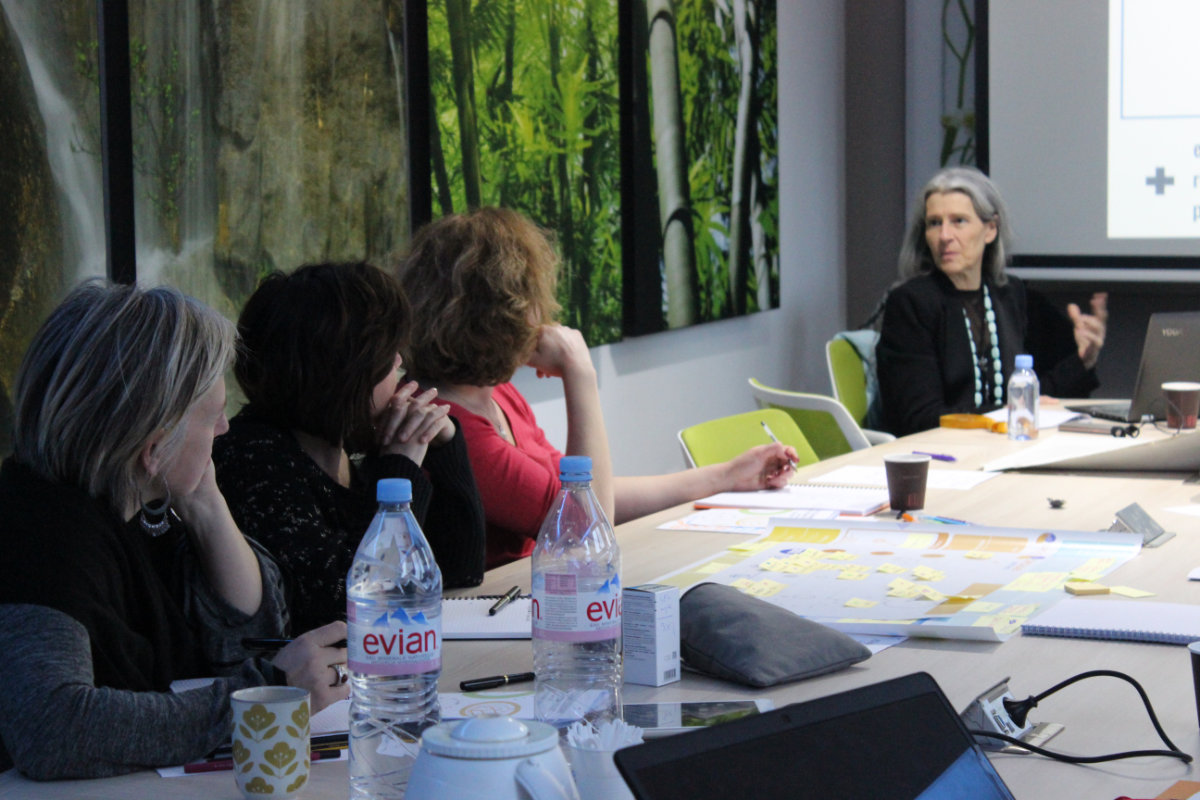
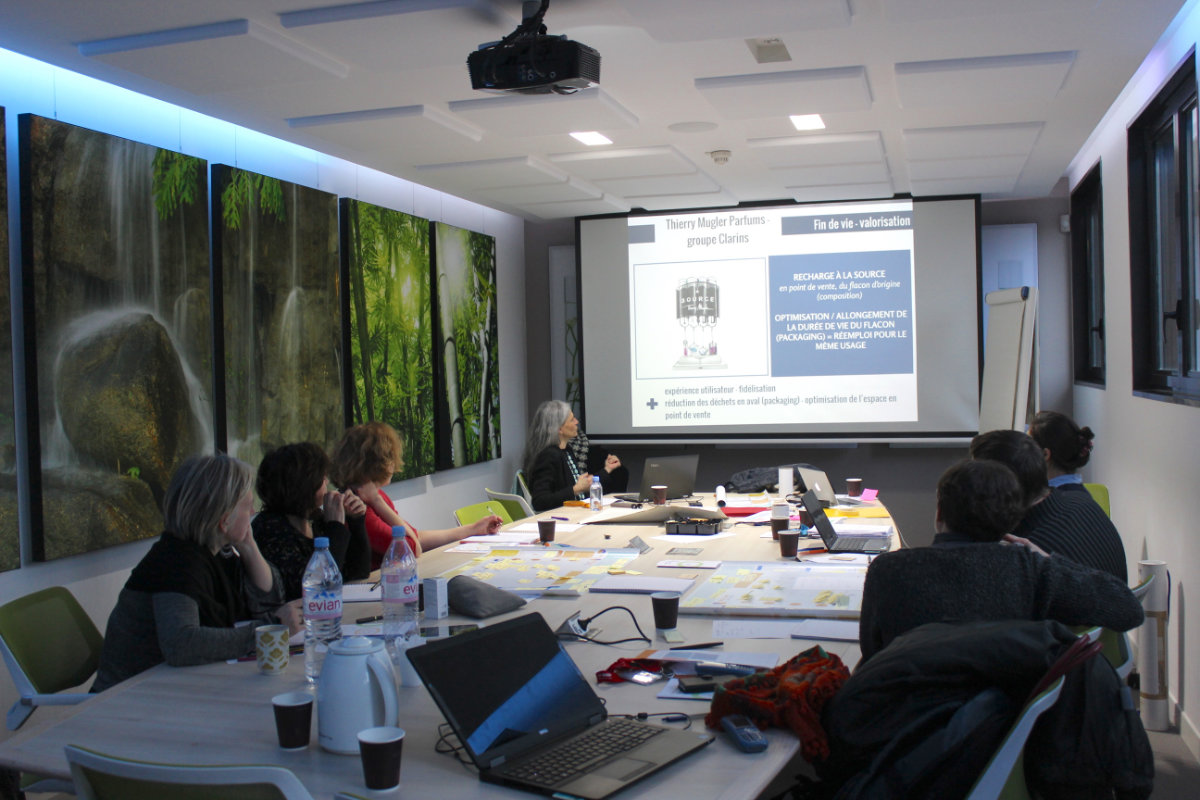
To help BASF Beauty Care's teams best understand the concepts of this new paradigm, a one-day in-person training was offered. Its goal was to help them embrace the best circular initiatives identified in the cosmetics field, in order to draw out new offerings and new business models.
Process
During this training day, participants had the opportunity to:
- Get an introduction to the current context and the industry's challenges, particularly around resources and customer expectations.
- Reflect on inspiring initiatives and approaches such as phytoremediation, by-product recovery, or manufacturing calcium carbonate from CO2.
- Practice with numerous exercises, including one using the Circular Canvas tool.
Results
A team of 6 people trained in circular and regenerative economy challenges.
Have a similar project?
If you'd like to train your teams in the circular economy applied to your industry, contact us for a custom training.
Contact us