What is a carbon footprint?
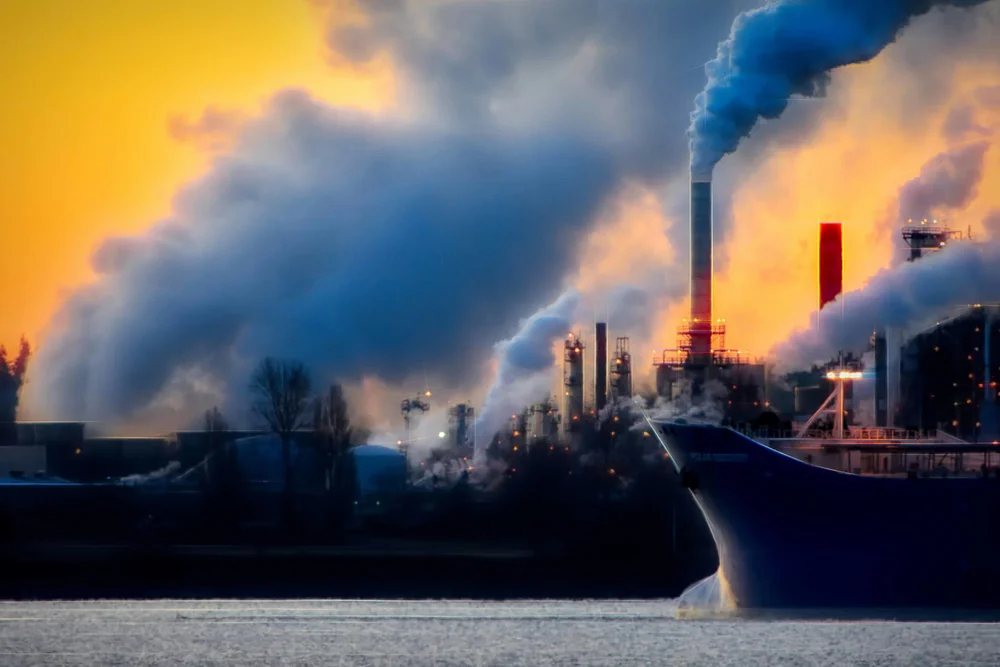
The carbon footprint measures the amount of greenhouse gases emitted by an activity, an organization, a product or a person. It is expressed in CO2 equivalent and includes various gases, such as carbon dioxide, methane and nitrous oxide. Calculating this footprint makes it possible to understand and quantify the direct and indirect impact of an activity on climate change.
Is the circular economy a solution for reducing your carbon impact?
The circular economy is an economic approach that aims to optimize the use of resources by encouraging their reuse and recovery. This model stands in contrast to the traditional linear model, based on production, consumption and the disposal of waste.
By adopting this model, organizations can contribute to reducing their carbon footprint, preserving the environment and creating a resilient and responsible system. It encourages deep reflection on how to design products and services so that they are sustainable from the moment they are created.
How to measure a carbon footprint?
Calculating your carbon impact makes it possible to identify and reduce greenhouse gas emissions in order to reduce your environmental impacts. It also makes it possible to comply with increasingly strict environmental legislation, while improving your brand image with consumers and partners who care about and are concerned by sustainable development.
In practical terms, to measure a company's carbon footprint, several elements need to be taken into account:
- Direct emissions linked to the company's activities, such as fuel combustion.
- Indirect emissions associated with the production of the electricity consumed.
- Tertiary emissions, which include all other emissions that the company indirectly influences, from the production of materials to the end of life of products.
What are the solutions for reducing your carbon footprint?
To implement a circular economy within your company, training is essential. It will enable your employees to understand the issues and challenges they face.
Training in the circular economy will enable your teams to develop the skills needed to implement sustainable practices and thus reduce your environmental footprint. Circulab Academy offers tailor-made courses adapted to your company's needs.
In addition to adopting a circular economy, companies can explore other solutions to reduce their carbon footprint. Among other things, they can:
- Analyze their business model using the Circular Canvas to better understand their impacts from a qualitative point of view.
- Improve the energy efficiency of processes and buildings.
- Invest in clean energy for electricity production.
- Invest in reforestation projects or in carbon capture technologies.
In short
The Circular Canvas, available in several languages, has already been used by many professionals wishing to model their business model and understand its impacts.